
The Dangers of Victimology:
A Dire Warning and Call to Action
By: Terry H. Hildebrandt, PhD

We have criminals and drug addicts terrorizing Denver (Source 1). Denver has become a haven for public drug use, drug dealers, and unsheltered addicts. Colorado leads the nation in auto-thefts (Source 2). Thefts of catalytic converters increased by more than 15,000% from 2019 to 2021 (Source 2.1).Criminals are arrested and immediately released on personal recognizance (“PR”) bonds to commit crimes again, including murder! (Source 3, Source 4 and Source 5). Even accused drug dealers are being released on PR bonds, and many never return to court (Source 6). Our beautiful Union Station is now a drug den for unsheltered addicts (Source 7). Over 800 addicts, drug dealers, and other criminals have been arrested since November 2021 in Union Station alone (also see Source 8). Our Denver airport has become a homeless shelter (Source 9). Denver business owners are under siege by drug addicts, drug dealers, and criminals (Source 10). One downtown Denver business owner is now charging a 1% “Denver Crime Spike Fee” to recover shoplifting losses (Source 11), The City is now paying new businesses to set up in the drug-infested downtown district to fill empty spaces at 16th Street and Champa (Source 12). Many convicted felons now can legally possess guns in Colorado (Source 13). Ninety-six people died in Denver homicides last year, the highest number recorded since 1981 (Source 14). People are living in illegally parked RVs and cars with needles, bottles of urine, and feces on our streets (Source 15).
If you make a state attractive to criminals, they will flock to your state. Drug dealers, drug addicts, thieves, and unhoused tenters know that in Colorado they will likely not be arrested to begin with, and if they are, the judges will release them the same day on PR bonds. When there are no deterrents or consequences for crimes, then criminals will take over the city, which is what we are seeing now. Check out this interview with Denver Chief of Police Paul Pazen, where he explains it all - https://denvergazette.pressreader.com/article/281913071519348?fbclid=IwAR1mRNWpzcqmQI14klD8Hcgbr_BdbGZq2s4I7cqlgGH0mRHeBhTpXzr1MTk
Many of our leaders, citizens, and advocates have succumbed to the lies of victimology. The result is laws are no longer enforced, criminals are set free, and few are held accountable for their actions. This toxic philosophy has crept into our city government, state government, judiciary, schools, and nonprofit organizations. While most of the advocates of victimology likely have good intentions, their social experiments have resulted in harming the very people they claim to help, and public safety and community health suffers. See https://michaelshellenberger.substack.com/p/why-everything-we-thought-about-drugs?s=r.
What is Victimology?
Victimology teaches that unsheltered addicts, criminals, and many others have been wronged by society and deserve special treatment and consideration for their suffering. Victimology teaches that the world consists of oppressors and the oppressed and demands “social justice” for the “oppressed.” Followers of victimology critique everyone and everything and set themselves up as judges but escape judgement themselves by blaming and shaming anyone that challenges them and their ideology. They shut down conversations that might create practical solutions, demanding that only their idealistic solutions are acceptable. They are frequently intellectual elites who claim they speak for the oppressed, even though they themselves enjoy significant privilege. They rile up the so-called “victims” to parrot their talking points of victimology. They use convoluted so-called “research studies” and arguments to support their assumptions and beliefs. They refuse to engage in rational conversations that might create collaborative efforts with the community at large and instead repeat their propaganda repeatedly on social media, community meetings, and at rallies as political theatre.
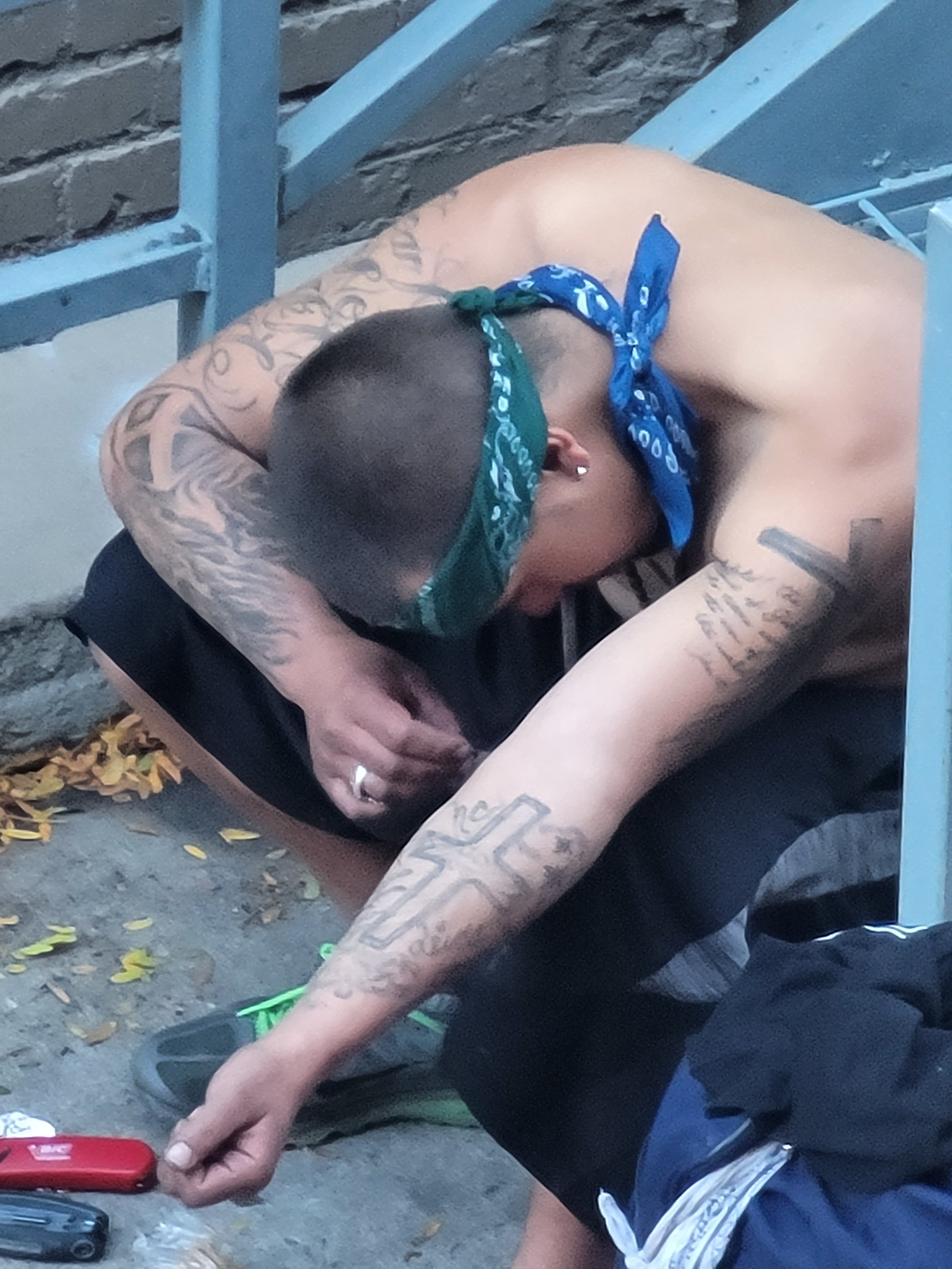
Core Beliefs and Practices of Victimology
1. Oppressors are the cause of suffering.
2. Power is gained by shaming and blaming.
3. Everyone who has power/agency is an oppressor.
4. All criminals are “victims.”
5. “Victims” cannot be held accountable for their behavior.
6. Society owes it to “victims” to solve their problems.
7. Capitalism is inherently the cause of all social ills, and socialism/communism is the solution.
8. Only the grand solutions of victimologists are acceptable and good enough.
9. All who disagree with victimology are oppressors and must be cancelled.
10. Guilt can turn former “oppressors” into allies.
Core Beliefs and Practices of Victimology Explained
1. Oppressors are the cause of suffering.
Victimologists claim that society hates the poor, the unsheltered, the addicts, etc. and needs to show more “compassion.” They blame anyone with a home or money (the “privileged”) as part of the problem. The Victimologists keep “victims” trapped in their victimhood by blaming the world around “victims” for all their problems. They disempower the unsheltered and the addicted by keeping them in the role of victim. Instead of acknowledging that everyone at times is confronted with adversity, they look for people, systems, and “injustices” to blame for all human suffering.
Response: The antidote here is the realize that everyone experiences hardship. Some people experience more hardship than others, based on their family of origin, their choices, behavior, illnesses, or circumstances in life. The solution is to empower oneself and others through learning what resources are available and what behaviors will move them out of victimhood and into empowerment. Social programs can help, but it takes personal hard work and commitment to get ahead. Encourage others to leverage their strengths, go to school to get training, go to rehab, join a 12-step group, and find a job. Stop blaming so-called “oppressors” for problems and get creative in finding new solutions to empower people to take ownership for their lives. Of course, some people are so disabled, brain damaged from drug abuse, or chronically mentally ill that they need extra support. We also need more robust involuntary commitment laws, long-term mental healthcare, and inpatient substance abuse treatment programs for those who cannot help themselves. Governor Gavin Newsom is proposing this strategy in CA - See https://www.sfchronicle.com/sf/bayarea/heatherknight/article/Gavin-Newsom-Care-Court-mental-health-16973070.php?utm_campaign=premiumsfgate_breakingnews_20220303&utm_source=newsletter&utm_medium=email and https://www.gov.ca.gov/2022/03/03/governor-newsom-launches-new-plan-to-help-californians-struggling-with-mental-health-challenges-homelessness/. No one should be allowed to rot on the street in drug addiction and mental illness.
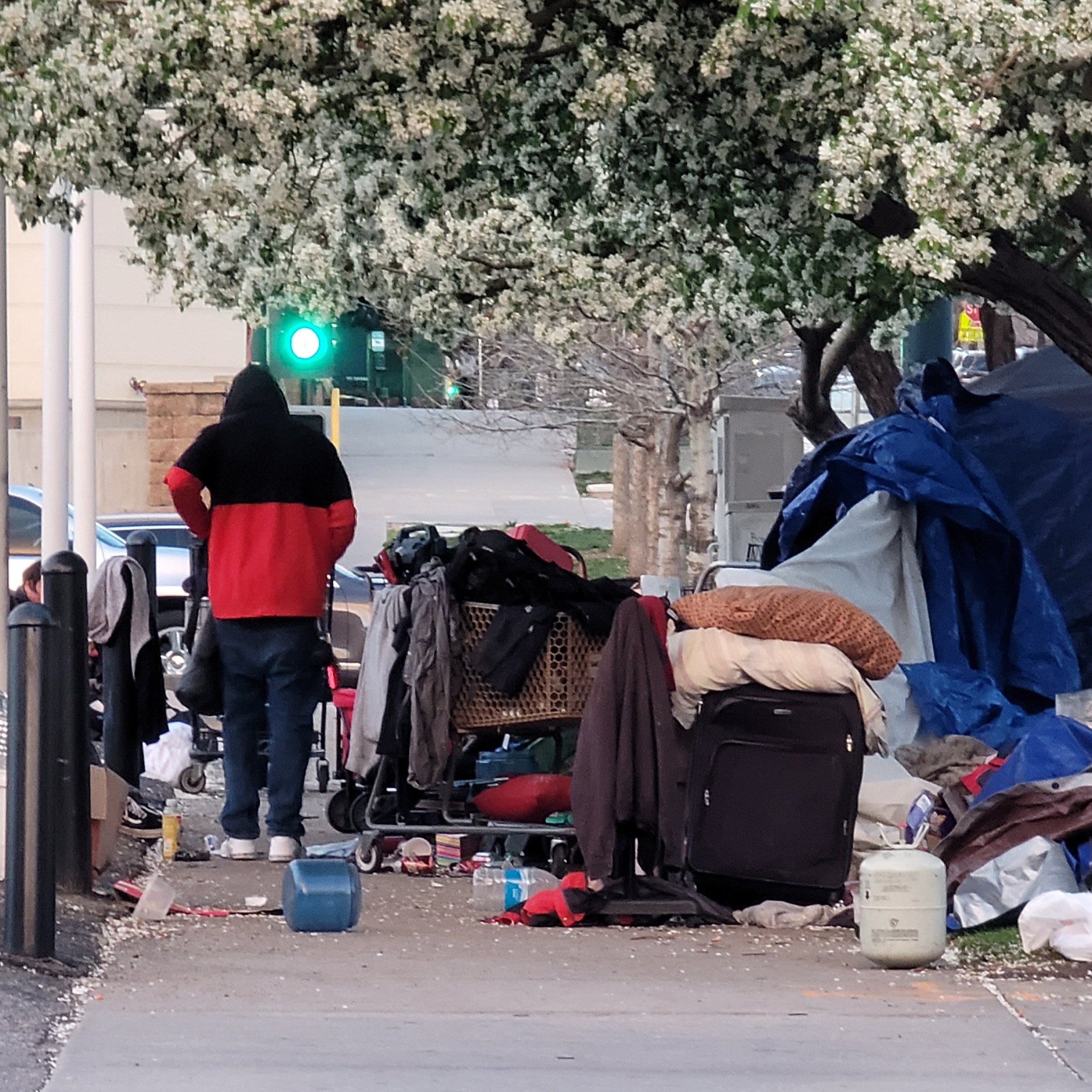
2. Power is gained by shaming and blaming others.
The Victimologists gain power through the strategies of blame and shame. The Victimologists attempt to shut down conversations and silence others who they consider the “oppressors.” Victimologists frequently make enemies of the very people that would be willing to help if victimologists would engage without blaming and shaming.
Response: Stop blaming and shaming. Even if there are people working against you, find ways around resistors, so you can thrive and overcome your challenges. Find supporters that are willing to help you. Ask for help. Try something new. Forgive those who have wronged you in the past and get them out of your life if necessary. Listen to others’ concerns and enroll them in a dialog. Real power comes through having a vision, creating a realistic plan, and implementing your plan with the support of others. Hold yourself and others accountable to follow through on the plan.
3. Everyone who has power/agency is an oppressor.
Victimologists see the world as full of “oppressors.” They also typically believe that others do not deserve any of the power or so-called “privilege” they possess because they believe the oppressors only got ahead by victimizing others. They make enemies of anyone in power through critiquing and endless complaining. Their only allies are other Victimologists, some “victims,” and the enablers, who are often people from the “oppressor” class that have bought in to the guilt narrative of being an oppressor. Any solutions offered by those in power are quickly judged as insufficient. Victimologists generally avoid taking any role or position of power themselves to avoid critique. If they do take a leadership position, they approach it as a “victim” and/or judge, critiquing everything that is wrong around them in the system. They see themselves as playing the role of the “social justice” warrior, never fulling integrating into the team of leaders who are getting the work done.
Response: Work toward collaboration instead of dividing the community. Share your vision of what success looks like. Ask others about their visions of what good (or great) looks like as well. Stop judging and critiquing and instead offer many options for solutions, even if they are “baby steps” toward your goals. Take responsibility and accountability for working toward solutions. Stop seeing the “oppressed” as “victims” and instead empower them to take action to get better and take ownership of their lives. Instead of rescuing “victims”, coach and support them to see new options and empower them to take action to improve their lives and encourage self-efficacy. For the mentally ill and addicted, encourage them to get treatment and services including using involuntary commitment for the services resistant.
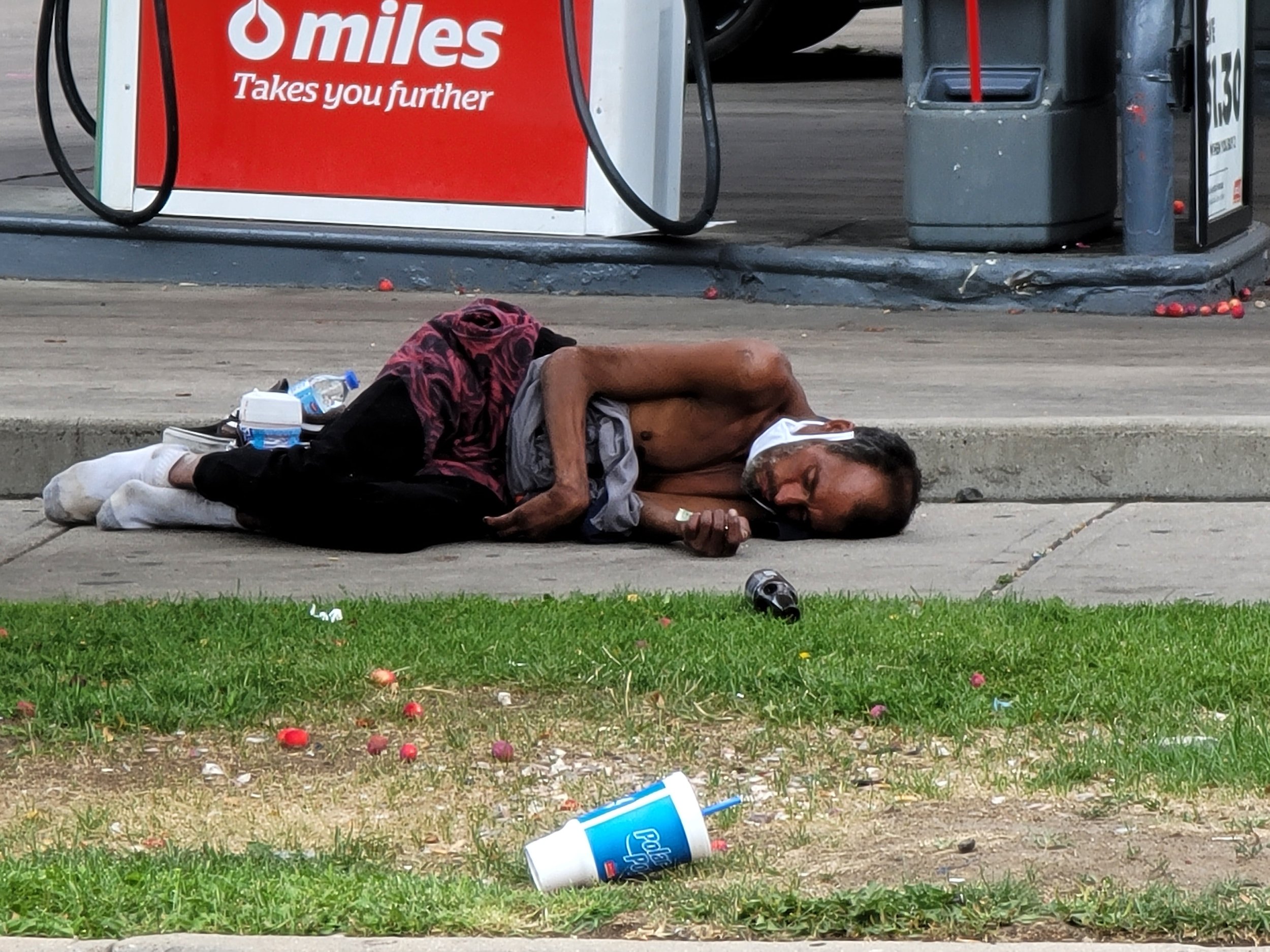
4. All criminals are” victims”.
Victimologists argue that most criminals have been “victims” of trauma. Victimologists quote studies that tie trauma to drug abuse and crime. They argue that if we treat the trauma that criminal behavior will stop. They also believe that punishment (such as jail time) does not work, and that counseling and therapy are the only compassionate response people who commit crimes. They advocate that those accused of crimes should be released on personal recognizance (PR) bonds while awaiting trial.
Response: This philosophy has resulted in even hard criminals being released to commit more crimes. One person in 2021 was arrested and released six times for auto theft (https://kdvr.com/news/problem-solvers/a-denver-woman-arrested-6-times-for-car-thefts-in-2021/). Many accused offenders do not return to court to face trial (https://www.thedenverchannel.com/news/investigations/denver-courts-administering-high-number-of-personal-recognizance-bonds). Police are very frustrated that accused criminals are immediately released to commit more crimes while awaiting trial. Criminals know that they will not be held accountable for wrongdoing and continue to terrorize communities.
5. “Victims” cannot be held accountable for their behavior.
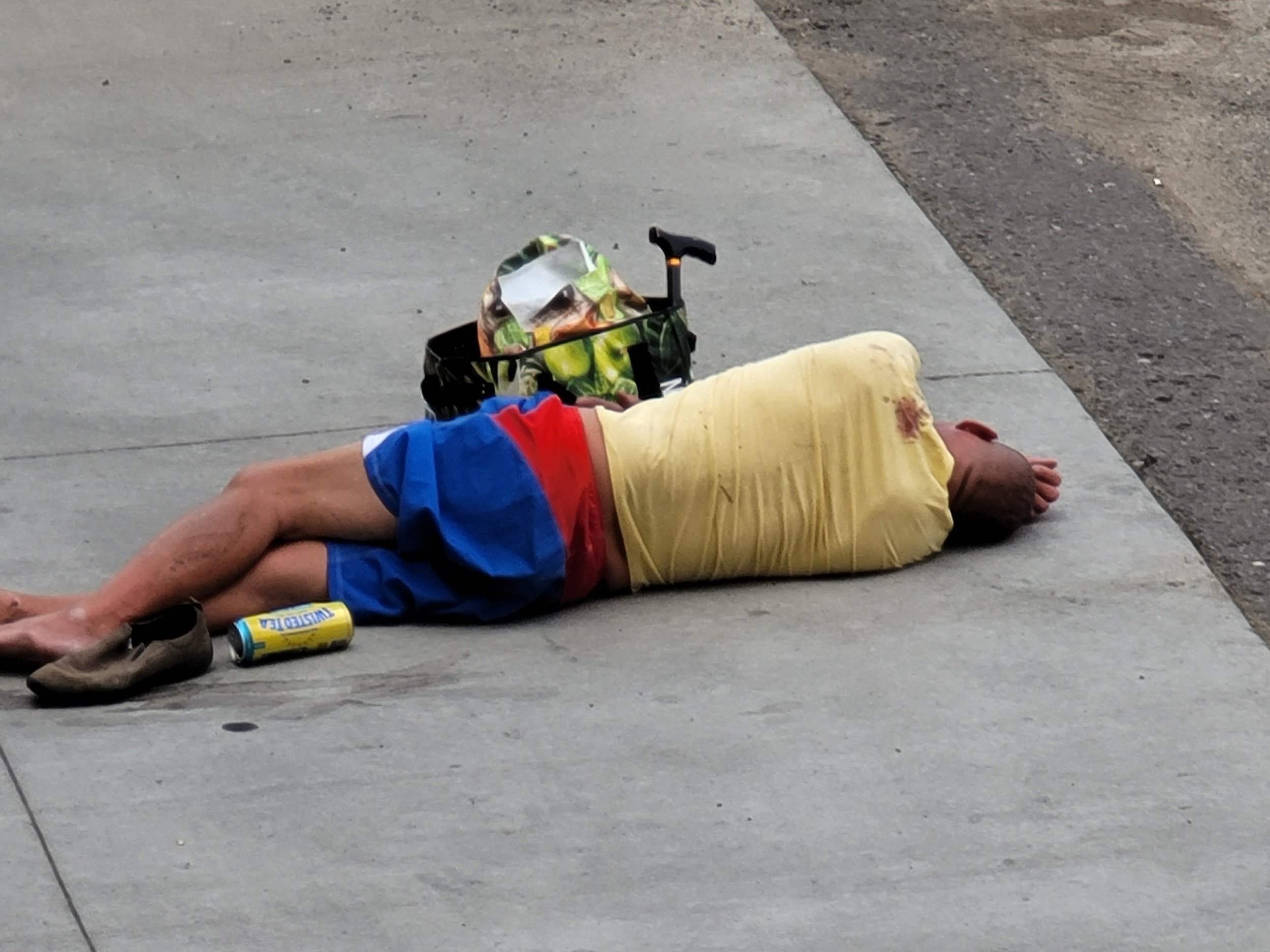
Victimologists argue that “victims” cannot be held accountable for their behaviors, such violating social expectations and laws. The so-called “victims” are elevated to “heroes” for their acts of rebellion against the “oppressive social systems.” Their “crimes of survival” are justified by Victimologists because “society has failed them” (https://www.city-journal.org/survival-crimes). These behaviors include nuisance crimes such as illegal camping, public defecating, public urinating, petty theft, public nudity, public sex, and littering in front of businesses and homes. It also includes public drug use, because “obviously” the addicts have been “traumatized” by the “oppressors” and their “unjust social and economic systems.” Anyone who tries to enforce the laws is shamed and blamed immediately by the Victimologists and their allies as having no compassion, even though these “victims” often refuse to go to addiction treatment or shelter. The Victimologists have infinite excuses on why the “oppressors’ solutions” are not good enough, thus continuing to justify their “crimes of survival” and victimhood. The rules of law no longer apply to the unsheltered like they do housed people. In 2021, the City of Denver refused to ticket and tow a car with expired out of state license plates parked at the Denver Art Museum for over a month at a parking meter, because someone was living in it.
Response: Start holding everyone accountable for their own behavior, equally. Don’t tolerate crime and instead work to give other options that are healthy and beneficial to all. Shut down illegal street camps and if necessary, use involutory commitment and drug courts to mandate services resistant addicts into treatment. Do not allow folks to rot and die on the streets in addiction and squalor. The Colorado Safe Parking Initiative (https://www.colosafeparking.org/) is a better solution for people living in cars and RVs as a temporary measure, instead of illegally parking on the streets.
6. Society owes it to “victims” to solve their problems.
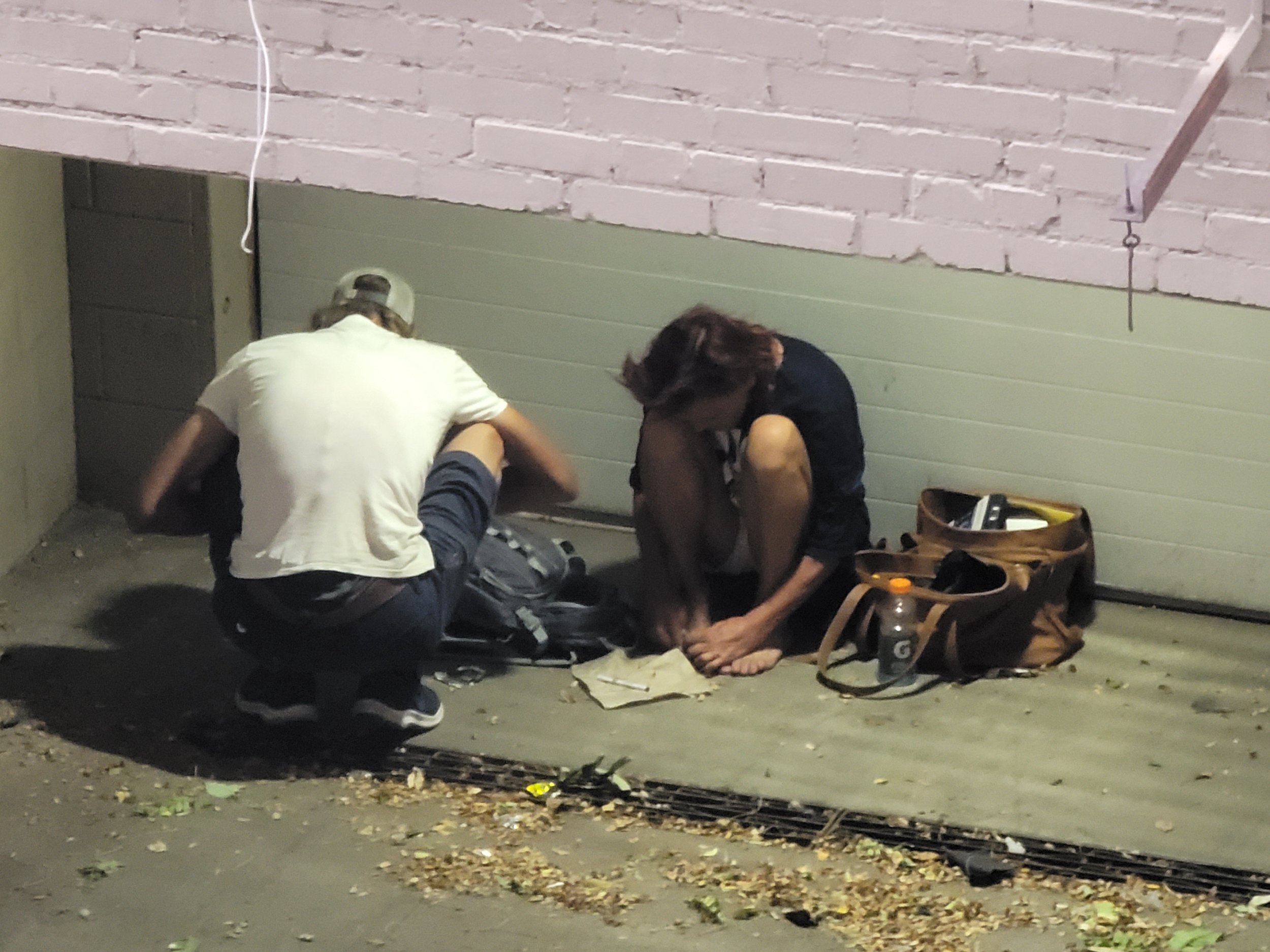
Pointing out issues is an important first step to problem solving, but Victimologists typically remain the in the critique role indefinitely. Victimologists demand that society change to suit the needs of the “victims” but take no responsibility for changing anything themselves. They claim to have no power other than to protest and point out the issues and demand that others address their problems. They make enemies of most people in power who might be open to help. By avoiding putting forth solutions, the Victimologists avoid being critiqued themselves. Since they offer no practical solutions and no leadership, they remain in the role of judge, and consequently nothing of substance from them can be judged by others. If Victimologists and professional “victims” offer any solutions, they are often directed at requiring the “oppressors” to change. Victimologists never require “victims” take accountability to change their own behavior. On occasion, Victimologists will put forward an idealist vision that has no hope of being accepted by the majority.
Response:
Create collaborative efforts that develop practical solution to stubborn social problems. Engage in meaningful dialog to create practical solutions. Expand your thinking to include win-win strategies that include not only the concerns/needs of the “victims” but also other stakeholders, such as the community as a whole and legal residents. Empower everyone to have a voice at the table and develop a shared vision and goals of success. Leverage existing resources and proven approaches to move forward. Make sure unsheltered addicts are expected to play a role in their own recovery; empower them to act such as going to rehab, therapy, job counseling, and shelters. Stop making excuses and hold people accountable to participate in their own recovery. Reward positive behavior.
7. Capitalism is inherently the cause of all social ills, and socialism/communism is the solution.
While not all Victimologists are communists many are, and it seems that most are socialists. They heavily critique “late stage” capitalism as the root evil/cause of most “oppression” (https://www.denverdsa.org/priorities). They often quote Karl Marx (a dead white guy) to support their critiques of capitalism. They deny basic human nature by suggesting that a new form of communism (or at least socialism) will provide “equity” to everyone through redistributing resources "according to needs.” Victimologists often lobby government at all levels to change laws and practices to serve their agenda. This often takes the form of “bond reform” which allows criminals back on the street using “catch and release” practices and personal recognizance (PR) bonds. It also takes the form of defunding the police and diverting money to social programs. Police are replaced with social workers who beg and plead with services resistant drug addicts to go into treatment. They want to decriminalize dangerous street drugs. They demand never-ending increases in funding for social programs, such as free/subsidized housing and “supervised- injection/consumption sites” for illicit drugs. They believe that the “victims” have a “human right” to be cared for and housed by the government. They require no accountability from the addicts to participate in their own recovery and keep them powerless and dependent on the government to survive.
Response: There has never been a successful country that has adopted communism as an economic system. These countries always devolve into authoritarian rule, poverty, and human rights’ tragedies. However, capitalism also needs to be regulated with checks and balances, such as robust anti-trust laws, a progressive income tax system, inheritance taxes, wage laws, etc. that prevent abuses. Social programs play an important role in helping people get back on their feet, but programs must include accountability. Stop giving free apartments and so-called “Safe Outdoor Spaces” tents to drug addicts without also requiring drug treatment. “Housing First” is “Housing Fiasco” when you just put a bunch of active drug users in a building or campsite together. There must be accountability to work toward sobriety instead of endless drug parties (https://original.newsbreak.com/@david-heitz-561257/2410160935587-drugs-alcohol-rampant-in-denver-homeless-housing also see https://glendalecherrycreek.com/?s=Saints+of+Enablement.)
8. Only the grand solutions of Victimologists are acceptable and good enough.
On occasion, Victimologists will put forward a grand plan or vision, such as public housing for everyone or universal basic income, that is neither practical nor has sufficient support by the majority of the citizens. They double down on their idealist vision and critique everyone else and any other proposals. Nothing is ever good enough; perfect becomes the enemy of the good. Examples here include “Housing First,” free personal apartments, decriminalization of drugs, “stopping the sweeps/cleanups of illegal encampments,” “supervised-injections sites,” and so-called “harm reduction,” which is really “harm induction” keeping addicts trapped in the cycle of addiction.
Response: While having a grand vision can be a good thing, Victimologists’ demands are unrealistic. No one has the “right” to a personal, free apartment. Temporary shelters serve as a modest, realistic strategy to give people a roof over their heads and a chance to find and job to afford living expenses on their own. Those who are chronically mentally ill or disabled can get connected to Medicaid and social security benefits to be placed in permanent supportive housing. Two people a day are dying from fentanyl overdose in Colorado (https://www.denverpost.com/2021/09/26/fentanyl-deaths-colorado/). This is a crisis that won’t be solved by outreach teams begging and pleading with services resistant street addicts. It also will not be solved by so-called, “Harm Reduction,” which is really “harm induction” (see https://www.city-journal.org/vancouver-harm-reduction). This public drug use crisis will not be solved by creating City-sponsored drug dens (a.k.a. supervised injection sites) and giving addicts free needles and drug kits. You don't fight drug addiction by making it easier for addicts to do drugs. Instead, we need collaboration to create realistic approaches that can be supported by the larger community. Include the needs and concerns of all the stakeholders, not just the so-called “victims,” when developing a vision and practical strategies. Accept baby-steps to make progress toward solutions. Instead of critique, offer practical solutions that most of the community can rally behind. Listen to and address the concerns of all the citizens.
9. All who disagree with victimology are oppressors and must be cancelled.
Victimologists silence those who disagree with them, labeling them as oppressors, privileged, racist, elitist, ableist, hateful, uncompassionate, sexist, homophobic, heterosexist, capitalists, etc. They create new offensive labels to discredit anyone who disagrees them. They developed the “cancel culture” to silence anyone who they do not like. Victimologists can be brutal in their attacks on their opponents’ character and positions.
Response: Stop seeing the world in the black and white terms of “victims” and “oppressors.” See all stakeholders as potential allies who can bring valuable information, perspectives, and potential solutions to challenging problems, such as homelessness, mental illness, and addiction. Shaming others and name-calling shut down conversations and creates animosity. Instead, create broad coalitions and strategies that include all the stakeholders’ voices and concerns.
10. Guilt can turn former oppressors into allies.
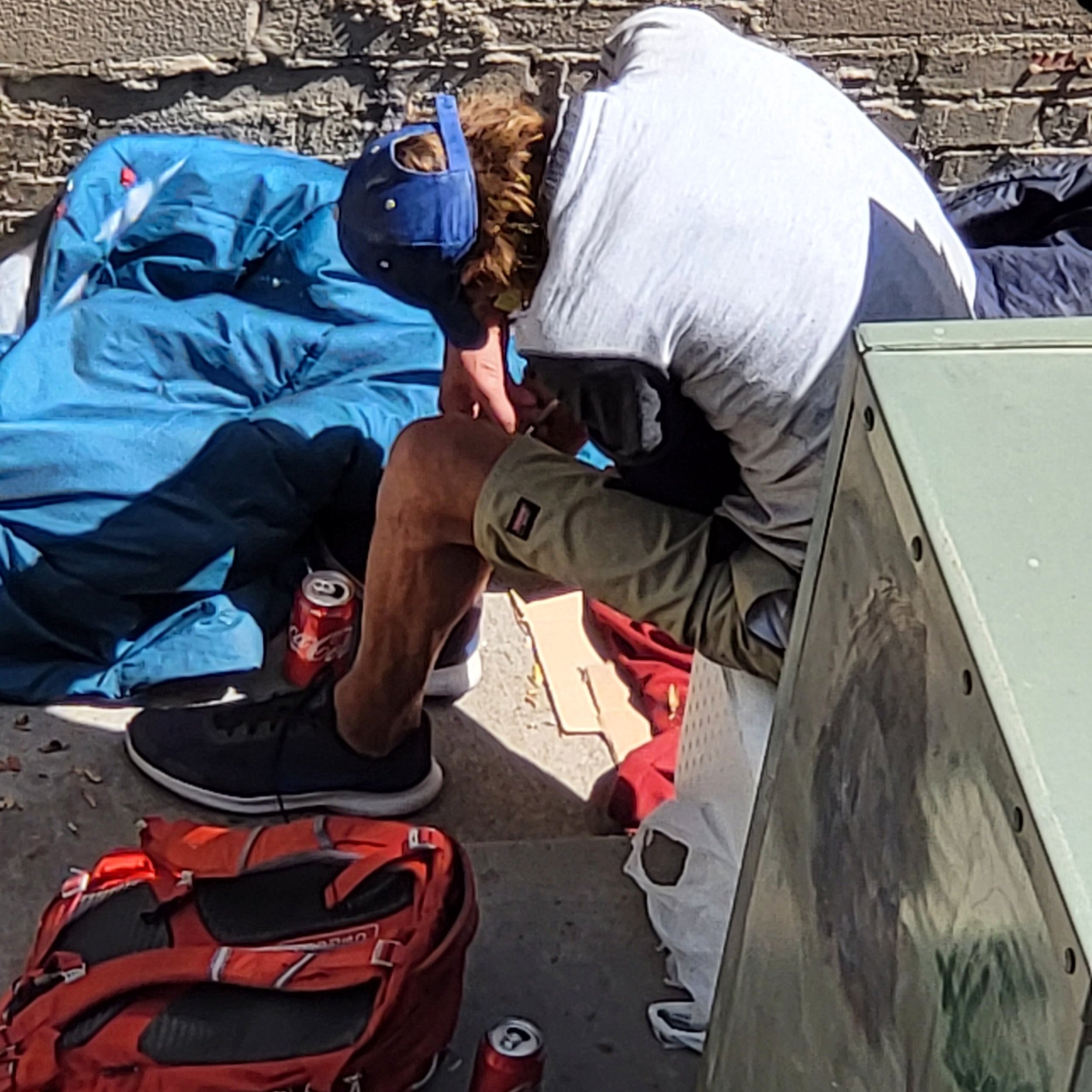
Victimologists recruit “allies” who are often “oppressors” who feel guilty because they have bought into the dogma of the victimology, such as your “privilege’, wealth, or power is due to oppressing others, as opposed to hard work. These guilty allies will often march in protests and vote for socialist programs, but rarely feel committed enough to fully become true Victimologists themselves. These so-called “allies” avoid taking too much risk so as not to diminish their own positions of privilege and power. They learn to speak the language of the Victimologists while at the protests and with their “woke” friends, but they typically make few real sacrifices themselves to support the “movement.”
Response:
While guilt can be a motivator, rarely does this motivation last long. Instead, we need to appeal to shared values such as compassion, justice, love, and community health/safety to motivate others. True allies feel empowered to use their own power and authority to help those who need support. Allies will be willing to share power with people they trust and who share their concerns and core values. Long-term allies stay commitment to a solution when they have shared purpose, vision, and values with others working toward the same goals. We all want to help get unsheltered addicts and mentally ill the help they need by getting them into treatment and shelter.
Conclusion
It is time to find common ground among key stakeholders to solve the challenging issues of crime, drug addiction, and urban camping. Political and civic leaders need to listen to all stakeholders and not just the Victimologists, who have dominated the conversation for too long. The failed strategies of bond reform, defelonization of hard street drugs, so-called “harm reduction,” and Housing First need to be replaced. Use involuntary commitment laws (https://cdhs.colorado.gov/behavioral-health/substance-use-commitment) and the existing drug courts (https://www.lawweekcolorado.com/article/denver-launches-specialty-courts-to-address-addiction/) to get unsheltered addicts off the streets and into court-ordered treatment and shelter. Research reported by the National Institute on Drug Abuse shows compulsory addiction treatment works just as well as voluntary treatment (https://archives.drugabuse.gov/news-events/nida-notes/2006/07/court-mandated-treatment-works-well-voluntary). Stop giving free apartments to drug addicts without requiring drug treatment and testing. There is no excuse left to ever tolerate allowing anyone to rot on the street in an illegal tent to overdose and freeze to death. How is there any dignity for the unsheltered in allowing dangerous, illegal encampments to remain? Denver’s Department of Housing Stability (HOST) has told us that there is room in the shelters, hotel rooms, SOS camps, Safe Parking Initiative, and places for pets in the Safe Haven Program.
There is nothing compassionate about allowing people to rot in dangerous, illegal encampments on the street.